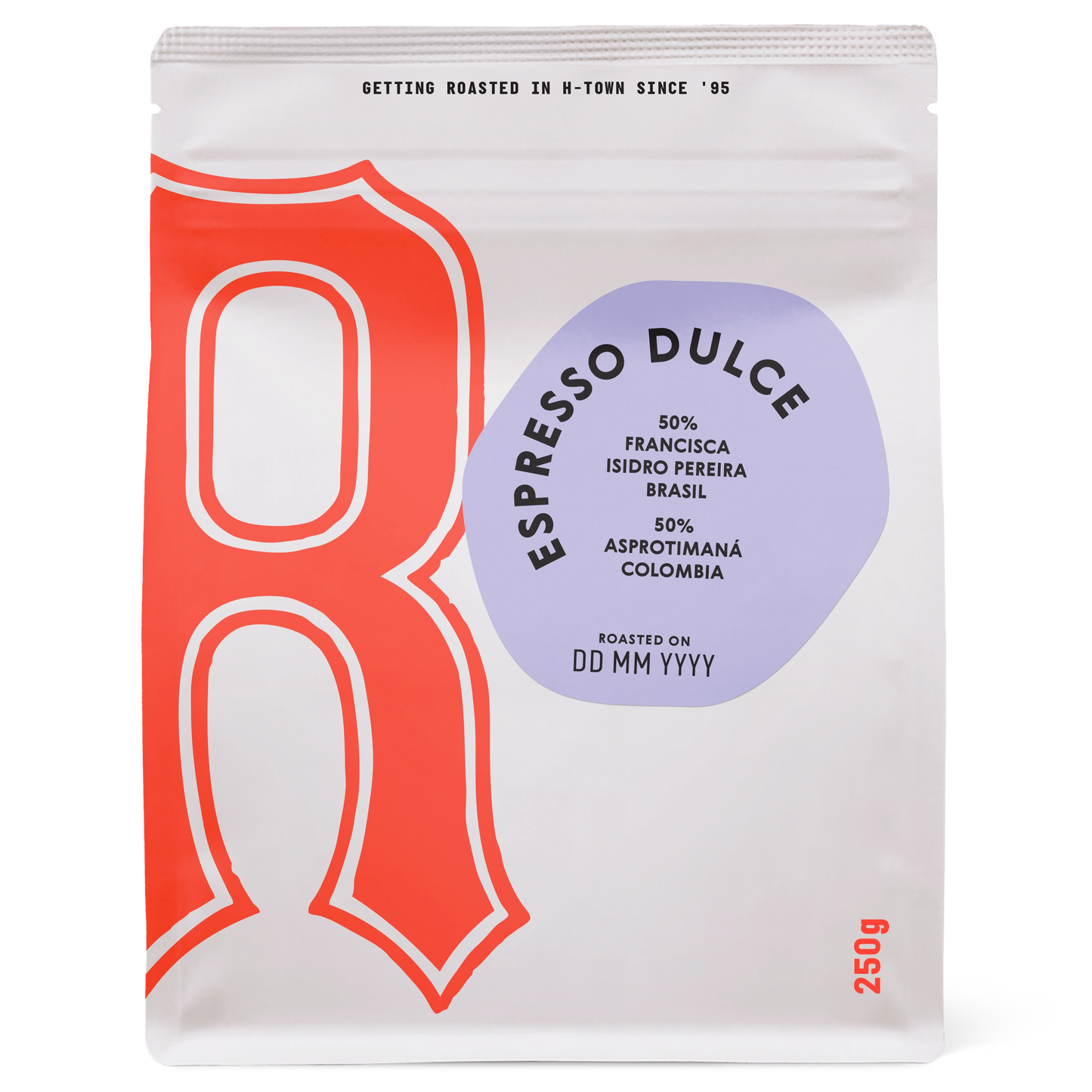
ESPRESSO DULCE

This is our second-best selling espresso blend, it is our darkest [but not dark, oily & roasty] espresso blend. 

Currently it’s a 50:50 blend of Francisco Isidro Pereira from Brasil & ASPROTIMANÁ from Colombia.

Perfect as a flat white. Dulce is sweet with flavours of milk chocolate & caramel. As a black coffee, you’ll find dark chocolate, brown sugar & roasted almonds.
About the farmer(s)

Francisco Isidro Pereira - Yellow Bourbon [natural] — Brasil

The Pereira family purchase the 215 hectare Santa Inês far in 1979. The farm already had some coffee growing & the family got to work planting new cultivars & building new patios along with washing, drying processing machinery. Francisco has built 13 homes on the farm for workers & their families. Due to the topography, coffee on the farm is hand-picked, cloths are spread out on the ground to collect coffee cherries. The coffee is then taken to the wet-mill where it is washed & sorted for defects then spread out on drying patios until the moisture has reduced to 10.5%.

  • region Camo de Minas
  • farm/farmer Fazenda Santa Inês
  • altitude 900-1050 meters
  • crop 2025
  • cultivar Yellow Bourbon
  • process Natural

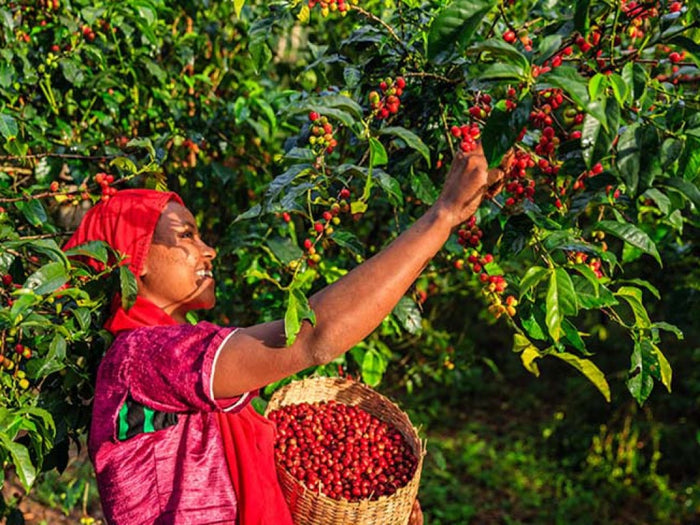
Bourbon is a natural mutation of Typica originating from La Réunion [until 1848 known as Île Bourbon]. The coffee was planted in 1708 by the French who acquired seeds from the Dutch, who in turn acquired them from Yemen. Colour of the cherries is due to a recessive gene, they can be either pink, yellow, orange or red when ripe. Bourbon is 1/3rd more productive than Typica.

ASPROTIMANÁ — Colombia

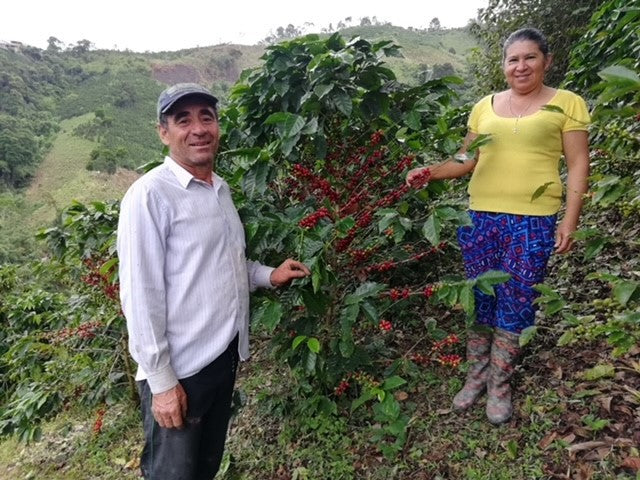
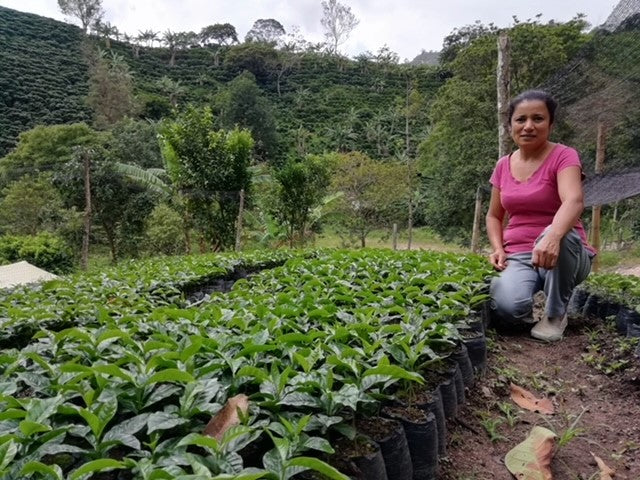
ASPROTIMANÁ is a cooperative of coffee farmers located around the town of Timana in Huila, Colombia. It was formed in 2001 by 32 farming families looking for a better way of life. Now, 23 years later, membership has grown to 150 families.
The cooperative provides training to help control the fermentation process. Co-op members use brix meters to measure the sugar levels in the cherry. When the majority of the crop reaches 20 brix, picking starts.
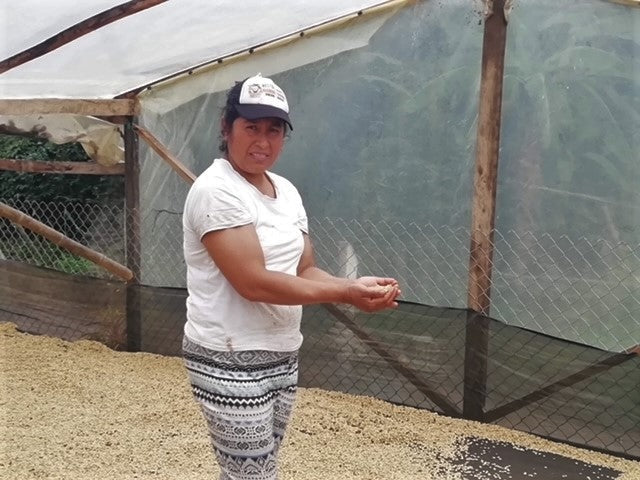
Once the cherries are harvested, they are placed in holding tanks for 36 - 48 hours before being de-pulped. The beans are fermented until the ideal pH level is reached, then washed, halting fermentation. Coffee is then sun-dried.

  • region Huila
  • farm/farmer Small-holder farms
  • altitude 1400-1700 meters
  • crop 2025
  • cultivar Caturra, Castillo, V. Colombia
  • process Washed

Caturra is a mutation of Bourbon discovered in Brasil in 1937. The plant is a dwarf so it can be planted close together resulting in more production per hectare. Caturra has good flavour characteristics but is susceptible to disease.

Castillo was developed by CENICAFE [the Colombian coffee research facility] & released in 2005. It was bred from Caturra & Hybrido de Timor. It is highly resistant to disease & is now the most planted cultivar in Colombia.

V. Colombia was bred by CENICAFE from Caturra & Catimor. It was released in 1982 it is highly resistant to disease & has good productivity.

Brew guide

  1. Black

    • dose 18g
    • Brew weight 40g
    • Brew time 25–35 seconds
  2. White

    • dose 18.5g
    • Brew weight 22–27g
    • Brew time 25–35 seconds

To develop our blend we start with fresh coffee samples, we roast them in our 20's Probat sample roaster then line them up on the cupping table, we look for coffee that has a good deal of natural sweetness, we may find tropical fruit note in a Colombian, citrus in a Burundi or dark fruity chocolate & creamy body in a Brasil.

When the coffee lands we work out a suitable roasting profile, then roast fresh every day, Monday to Friday.

We find our espresso best from the 5th day to 2 weeks after roasting so buy little & buy often.

For any help on coffee brewing of all methods i.e. espresso, plunger etc fire an email through to espresso@rocketcoffee.co.nz